
The cryptocurrency industry has evolved dramatically over the past few years. As more investors, traders, NFT collectors, and DeFi enthusiasts enter the digital asset ecosystem, one concern continues to dominate conversations: security. Exchange hacks, phishing attacks, malware, wallet drains, and unauthorized smart-contract approvals have cost crypto users billions of dollars. Because of these threats, hardware wallets have become an essential tool for anyone serious about protecting digital assets.
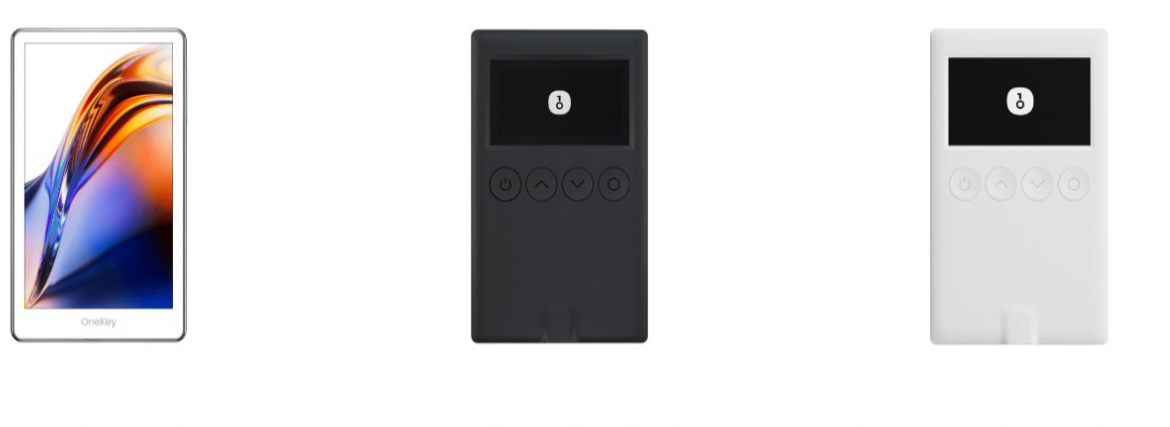
Among the growing number of hardware wallets available today, the Nobody x OneKey Classic 1S – Limited Edition Hardware Wallet and the broader OneKey Classic 1S lineup have gained major attention for combining strong security, modern usability, open-source transparency, and beginner-friendly design. Unlike older hardware wallets that can feel outdated or complicated, the OneKey 1S aims to deliver a streamlined experience without sacrificing advanced protection.
For crypto users searching for a reliable cold wallet in 2026, the OneKey 1S stands out as a compelling choice. From its EAL 6+ secure element to Bluetooth connectivity, cross-chain compatibility, and sleek portable design, this device is built for both newcomers and experienced crypto holders. Independent reviewers and community discussions consistently highlight its balance between convenience and security, positioning it as a serious competitor to established brands like Ledger and Trezor.
The Growing Need for Hardware Wallet Security
Before discussing the OneKey 1S itself, it is important to understand why hardware wallets matter more than ever.
Cryptocurrency ownership comes with personal responsibility. Unlike traditional banks, there is no customer support department that can reverse transactions or restore stolen funds. If someone gains access to your private keys, your crypto can disappear permanently.
Software wallets and exchange wallets are convenient, but they are connected to the internet, which makes them vulnerable to cyberattacks. Hardware wallets solve this problem by storing private keys offline. Transactions are signed securely within the device itself, preventing exposure to malware and phishing attempts.
As decentralized finance grows more complex, users also need wallets that can safely interact with Web3 applications, NFTs, staking platforms, and multiple blockchain ecosystems. The challenge for manufacturers is creating a wallet that remains secure while also being practical for everyday use.
This is exactly where OneKey 1S attempts to differentiate itself.
What Is the OneKey 1S?
The OneKey Classic 1S is a modern hardware wallet designed to securely store cryptocurrencies offline while maintaining a highly accessible user experience. It supports thousands of digital assets across more than 100 blockchain networks and integrates with desktop, mobile, and browser-based wallet environments.
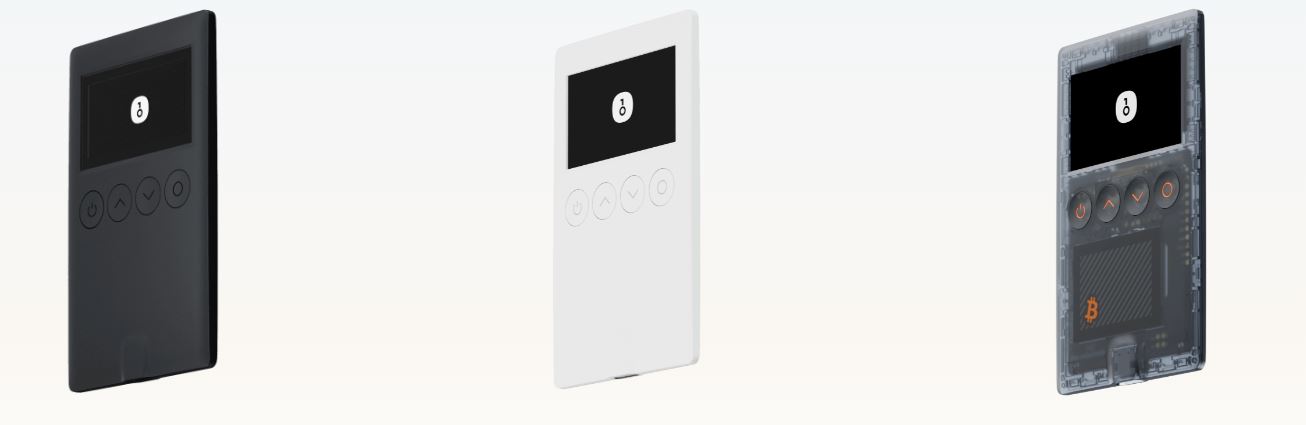
Unlike bulky hardware wallets that rely on outdated interfaces, the OneKey 1S emphasizes portability and ease of use. The device is lightweight, compact, and designed for users who frequently interact with crypto applications on both computers and smartphones.
Its major features include:
- EAL 6+ secure element chip
- Open-source firmware and hardware philosophy
- Bluetooth and USB-C connectivity
- Support for more than 30,000 assets
- Compatibility with MetaMask, WalletConnect, Rabby, Sparrow, and other popular wallets
- Passphrase-protected hidden wallets
- NFT and DeFi support
- Mobile-first transaction signing
- Multi-chain ecosystem integration
These capabilities make the device attractive not only to long-term Bitcoin holders but also to active DeFi and NFT participants.
Exceptional Security Architecture
One of the biggest reasons to buy the OneKey 1S is its security model.
The wallet includes an EAL 6+ certified secure element, which is considered among the highest security certifications used in consumer hardware wallets. This chip is specifically designed to isolate and protect sensitive cryptographic information from physical and digital attacks.
Hardware wallet users are increasingly concerned about transparency. Some competitors have faced criticism for closed-source systems that require users to trust the manufacturer blindly. OneKey addresses this concern by embracing an open-source philosophy. Reviewers and community members repeatedly mention the company’s commitment to reproducible builds and public audits.
This transparency offers several advantages:
- Developers can inspect the code
- Security researchers can identify vulnerabilities
- Users gain greater confidence in the integrity of the device
- The ecosystem benefits from community-driven verification
For privacy-focused crypto holders, this open approach is a major selling point.
Beginner-Friendly User Experience
Many hardware wallets prioritize security but neglect usability. This creates frustration for beginners who may feel overwhelmed during setup and daily use.
The OneKey 1S receives strong praise for being beginner-friendly. Independent reviews describe the onboarding process as intuitive and approachable, especially for first-time hardware wallet owners.
The wallet simplifies key management while still allowing advanced users to customize security settings. Features like guided setup, on-device confirmations, and app integration reduce confusion and help users avoid costly mistakes.
The OneKey companion app also contributes significantly to the user experience. Users can manage portfolios, monitor balances, interact with decentralized applications, and track assets from a unified interface.
For newcomers to crypto security, ease of use matters tremendously. A complicated hardware wallet may discourage proper usage, while a smooth experience encourages consistent secure practices.
Broad Cryptocurrency and Blockchain Support
Another remarkable advantage of the OneKey 1S is its extensive asset support.
Modern crypto portfolios rarely consist of only Bitcoin or Ethereum. Investors now hold stablecoins, altcoins, NFTs, governance tokens, Layer 2 assets, and staking assets across many networks.
The OneKey ecosystem reportedly supports over 30,000 cryptocurrencies and tokens across more than 100 blockchain networks.
This broad compatibility means users can manage diversified portfolios without relying on multiple hardware wallets.
Supported ecosystems include:
- Bitcoin
- Ethereum
- Solana
- Binance Smart Chain
- Polygon
- Avalanche
- Arbitrum
- Optimism
- Tron
- Litecoin
- Dogecoin
- NFT ecosystems
- DeFi protocols
This flexibility makes the OneKey 1S attractive to active crypto users who engage across multiple chains.
Mobile-Friendly Convenience
OneKey 1S is especially appealing to users who prefer mobile crypto management.
The device supports Bluetooth connectivity, enabling secure interaction with smartphones and tablets. This is a major benefit for users who regularly transact while traveling or managing assets on the go.
Traditional hardware wallets often rely heavily on USB cables and desktop environments, which can feel inconvenient in today’s mobile-first world.
With OneKey 1S, users can:
- Sign transactions from mobile apps
- Access decentralized applications
- Monitor portfolios anywhere
- Manage NFTs on mobile devices
- Connect through WalletConnect v2
- Use browser wallet integrations
This mobile integration bridges the gap between security and convenience.
Open-Source Transparency Builds Trust
Trust is critical in crypto security.
OneKey’s open-source approach is one of its strongest differentiators in the hardware wallet market. Multiple reviewers and Reddit discussions emphasize that transparency is a major reason users choose OneKey over competitors.
Open-source firmware allows independent researchers to inspect the wallet’s codebase and verify security claims. This minimizes the “black box” problem often associated with closed-source security products.
In the crypto industry, where decentralization and transparency are core values, open-source infrastructure aligns naturally with community expectations.
This commitment to transparency has helped OneKey earn credibility among technically informed users.
Excellent for DeFi and NFT Users
Modern crypto users are no longer simply buying Bitcoin and holding it for years.
Today’s ecosystem includes:
- Yield farming
- NFT marketplaces
- Decentralized exchanges
- DAO participation
- Staking protocols
- Layer 2 ecosystems
- Cross-chain bridges
Many hardware wallets struggle to provide smooth integration with these activities. OneKey attempts to solve this issue by supporting MetaMask, Rabby, WalletConnect v2, and other popular wallet environments.
This compatibility allows users to interact securely with decentralized applications while maintaining cold-storage protection.
The company has also introduced security-focused transaction analysis tools designed to reduce dangerous blind signing risks. According to reviewers, features like SignGuard help users understand potentially malicious transactions before approval.
As phishing scams become more sophisticated, transaction visibility becomes increasingly important.
Compact and Portable Design
OneKey 1S is designed with portability in mind.
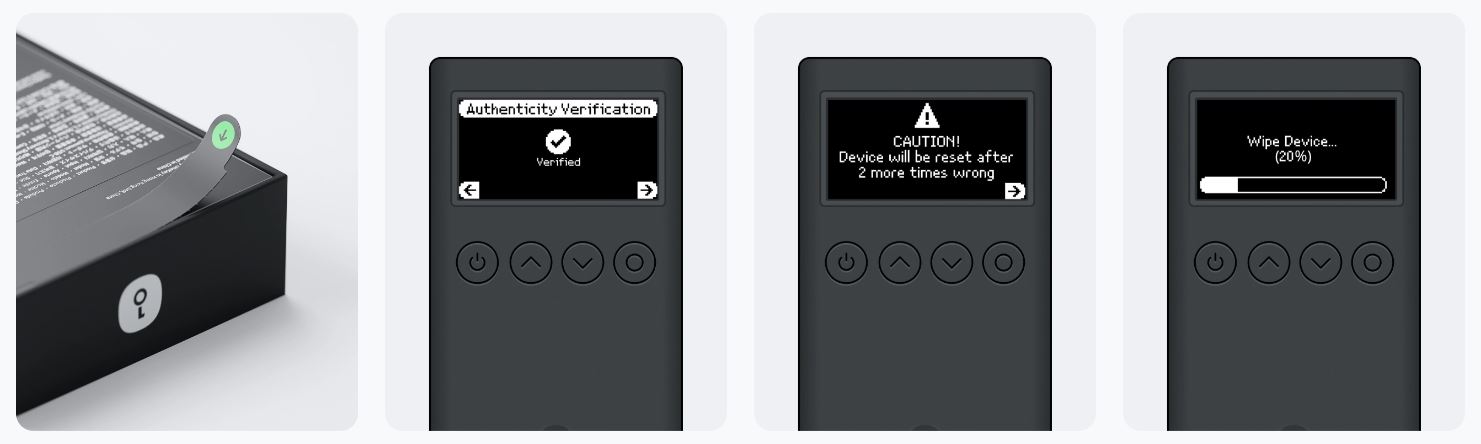
Unlike some hardware wallets that feel bulky or outdated, the 1S features a slim profile and lightweight construction. Reviewers describe it as “credit-card-sized” and easy to carry daily.
Portability matters because secure storage should not be cumbersome. Users who travel frequently or manage crypto across multiple devices often appreciate hardware wallets that fit comfortably into pockets or bags.
The minimalist aesthetic also appeals to users who prefer modern consumer technology designs over industrial-looking security devices.
Hidden Wallet and Passphrase Protection
Another major advantage of the OneKey 1S is support for hidden wallets and passphrase security.
This feature allows users to create multiple hidden accounts behind additional passphrases. Even if someone gains access to the primary wallet, hidden wallets remain inaccessible without the secondary passphrase.
Benefits include:
- Enhanced privacy
- Protection against coercion
- Separate storage for long-term holdings
- Portfolio segmentation
- Additional security layers
For advanced users, passphrase functionality provides meaningful protection against physical compromise.
Community Recognition and Industry Reputation
The reputation of a hardware wallet matters significantly.
OneKey has steadily gained recognition within the crypto community. Independent reviewers, YouTube creators, Reddit users, and crypto publications increasingly mention the device as a strong alternative to mainstream competitors.
The wallet’s inclusion on Bitcoin.org’s recommended hardware wallet list has further strengthened its credibility.
This type of recognition is important because trust in security products develops gradually through community validation, audits, reviews, and long-term reliability.
Competitive Pricing
Price is another area where OneKey 1S performs well.
Hardware wallets can become expensive, especially premium models with advanced features. The OneKey 1S is frequently described as competitively priced while still offering robust security and modern functionality.
For users entering crypto self-custody for the first time, affordability can be an important factor.
The wallet offers a strong balance between:
- Security
- Convenience
- Asset support
- Ecosystem integration
- Portability
- Cost
This balance makes it appealing to a wide audience.
Comparison With Ledger and Trezor
The OneKey 1S is often compared to Ledger and Trezor because these brands dominate the hardware wallet industry.
Compared to Ledger
Advantages:
- More transparent open-source philosophy
- Strong focus on auditability
- Modern mobile integration
- Community preference for openness
Potential disadvantages:
- Smaller ecosystem compared to Ledger
- Less established brand history
Compared to Trezor
Advantages:
- EAL 6+ secure element
- Bluetooth functionality
- Better mobile workflow
- Compact design
Potential disadvantages:
- Trezor has longer market history
- Trezor’s reputation among Bitcoin maximalists remains very strong
Many reviewers position OneKey as a hybrid approach that attempts to combine Ledger-style hardware protection with Trezor-style transparency.
Real-World Benefits for Different Types of Users
For Beginners
Beginners benefit from:
- Easy setup
- Intuitive interface
- Mobile-friendly workflow
- Strong educational ecosystem
- Broad asset compatibility
For Long-Term Investors
Long-term holders gain:
- Cold-storage protection
- Hidden wallet functionality
- Secure offline signing
- Backup and recovery support
For Active Traders
Traders appreciate:
- Fast mobile access
- Multi-chain compatibility
- WalletConnect integration
- Broad token support
For NFT Collectors
NFT users benefit from:
- Ethereum ecosystem integration
- Browser wallet compatibility
- Secure signing
- Multi-chain NFT support
For DeFi Users
DeFi participants gain:
- Smart contract transaction visibility
- MetaMask compatibility
- Safer transaction approvals
- Reduced phishing exposure
Important Limitations to Consider
No hardware wallet is perfect, and honest evaluations should include potential drawbacks.
Some reviews mention:
- Plastic construction that feels less premium
- Lack of full air-gap isolation
- Occasional software synchronization issues
- Learning curve for advanced features
- Battery aging concerns over long-term use
However, most reviewers still conclude that the strengths significantly outweigh the weaknesses, especially for users prioritizing convenience alongside strong security.
Why Open Source Matters More Than Ever
One of the most compelling reasons to choose OneKey 1S is the growing importance of transparency in crypto security.
Closed-source wallets require users to trust the manufacturer completely. In contrast, open-source systems invite public scrutiny and independent verification.
In an industry built around decentralization, this philosophy resonates strongly with users who value sovereignty and transparency.
Open-source firmware:
- Encourages independent audits
- Reduces hidden vulnerabilities
- Builds community trust
- Aligns with crypto principles
- Enables reproducible builds
As the crypto industry matures, transparency may become one of the most important differentiators among hardware wallet brands.
OneKey’s Vision Beyond Hardware
Another reason the OneKey ecosystem stands out is that the company appears focused on building a complete security platform rather than simply selling hardware.
According to reviewers, the ecosystem includes:
- Mobile applications
- Desktop applications
- Browser extensions
- Transaction analysis tools
- Risk detection systems
- Cross-chain management features
- Malicious dApp detection
This broader ecosystem approach may position OneKey well for the future of Web3 security.
The Psychological Value of Self-Custody
Owning a hardware wallet is not only about technical protection.
It also changes the relationship users have with their assets.
With exchange wallets, users rely on third parties. With hardware wallets, users gain direct ownership and responsibility.
This shift toward self-custody aligns with the foundational philosophy of cryptocurrency itself:
- Financial independence
- Censorship resistance
- Sovereign ownership
- Decentralization
The OneKey 1S makes self-custody more accessible to mainstream users by simplifying the experience without compromising core security principles.
Is the OneKey 1S Worth Buying in 2026?
Based on current reviews, community feedback, and feature analysis, the answer is yes for many types of crypto users.
The OneKey 1S offers:
- Strong hardware security
- Open-source transparency
- Excellent mobile integration
- Multi-chain compatibility
- Beginner-friendly usability
- DeFi and NFT support
- Competitive pricing
- Portable modern design
It may not be the perfect wallet for every user. Hardcore Bitcoin maximalists may still prefer highly specialized Bitcoin-only devices. Security purists may prefer fully air-gapped systems. However, for the majority of crypto users seeking a balance between security and practicality, the OneKey 1S represents an impressive option.
Its growing recognition across reviews, community discussions, and industry recommendations suggests that OneKey is becoming a serious player in the hardware wallet market.
Final Thoughts
The cryptocurrency industry continues to evolve rapidly, and security threats are becoming increasingly sophisticated. As a result, choosing the right hardware wallet is one of the most important decisions a crypto investor can make.
The OneKey 1S is my ultimate choice and according to all the information displayed above is by far one of the best cold wallet in the market. Then this device has a complete package not just in security but technology a key point in these days.
👉 GET THE ONEKEY 1S HERE

Luis Martinez is a Business Administrator and certified Personal Trainer with over 4,000 hours of experience in body transformation and performance training. He specializes in fitness, nutrition, and supplementation, combining science-backed strategies with real-world results. Luis shares practical insights to help men optimize their health, build muscle, and perform at their peak.